
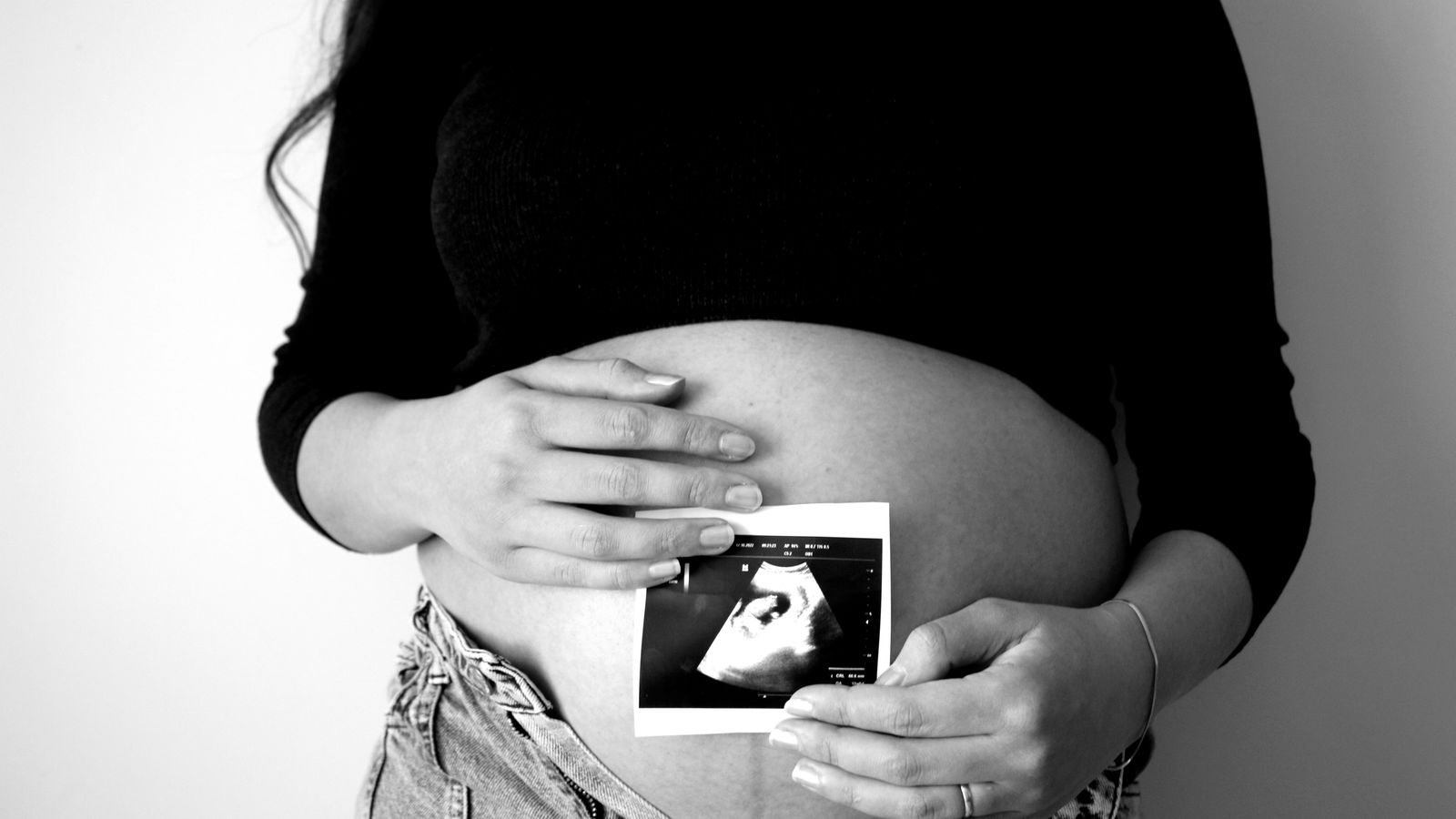
Pregnancy is one of the most special and exciting periods in every woman's life. However, sometimes this miraculous journey can be overshadowed by an unexpected and serious condition: ectopic pregnancy. Ectopic pregnancy occurs when a fertilized egg implants and tries to grow somewhere outside the main cavity of the uterus. This condition carries serious risks for the expectant mother's health and prevents the continuation of the pregnancy. As Ankara IVF Center, with the expertise of Prof. Dr. Mehmet Çınar, we delve into what you need to know about ectopic pregnancy, its symptoms, diagnostic methods, and treatment options. With early diagnosis and correct treatment, this challenging process can be managed in the healthiest way possible.
What is an Ectopic Pregnancy?
An ectopic pregnancy, medically known as ectopic gestation, is when a fertilized egg attaches and begins to develop outside the lining of the uterus. Normally, after fertilization, the egg travels through the fallopian tubes to the uterus and implants there. However, in an ectopic pregnancy, this journey is not completed, and the pregnancy usually implants in the fallopian tubes (more than 95%), rarely in the ovary, abdominal cavity, or cervix. No tissue outside the uterus is structured to support and carry a growing embryo. Therefore, as an ectopic pregnancy progresses, it can damage the organ where it is implanted, leading to severe internal bleeding and life-threatening complications. This unfortunately means the pregnancy cannot continue and requires urgent medical intervention for the expectant mother's health.
Risk Factors
While every woman carries a risk of ectopic pregnancy, certain factors can increase this risk. Knowing these risk factors is crucial for early diagnosis and preventive measures, especially for women planning a pregnancy or who are already pregnant:
- Previous ectopic pregnancy: This is the most significant risk factor. A woman who has had one ectopic pregnancy has a significantly increased risk of experiencing another.
- Pelvic inflammatory disease (PID): This condition, often caused by sexually transmitted infections, can lead to damage and blockages in the fallopian tubes, preventing the fertilized egg from reaching the uterus.
- Fallopian tube surgeries: Previous surgical interventions related to the tubes, such as tubal ligation, tubal reversal, or other procedures, can alter the structure of the tubes and increase the risk of ectopic pregnancy. Minimally invasive surgical methods like laparoscopy play an important role in preserving the tubes, but the risk is not entirely eliminated.
- Endometriosis: A condition where tissue similar to the lining of the uterus grows outside the uterus, endometriosis can cause adhesions and blockages in the fallopian tubes.
- Assisted Reproductive Technologies (ART): In treatments like In Vitro Fertilization (IVF), although the embryo is placed directly into the uterus, in rare cases, the embryo may migrate outside the uterus, leading to an ectopic pregnancy. However, this risk is much lower than the general population's risk of ectopic pregnancy.
- Intrauterine Device (IUD) use: While IUDs are highly effective in preventing pregnancy, if a pregnancy occurs while an IUD is in place, there is a higher likelihood that this pregnancy will be ectopic.
- Smoking: Smoking can disrupt the normal functioning of the fallopian tubes, delaying the fertilized egg's journey to the uterus.
- Advanced maternal age: The risk of ectopic pregnancy increases in women aged 35 and older.
Importance of Early Diagnosis
The symptoms of an ectopic pregnancy can initially resemble those of a normal pregnancy, which can make diagnosis challenging. However, early diagnosis is critically important to prevent life-threatening complications of ectopic pregnancy and to broaden treatment options. As Prof. Dr. Mehmet Çınar and his team at Ankara IVF Center, we emphasize increasing awareness about ectopic pregnancy symptoms and acting quickly in case of suspicion.
Symptoms of Ectopic Pregnancy
Ectopic pregnancy symptoms typically appear between the 6th and 8th weeks of pregnancy and can vary in severity from person to person:
- Missed period and positive pregnancy test: This is the first and most obvious sign of pregnancy.
- Abdominal pain: Often unilateral, sharp, stabbing, or cramping. The pain can range from mild to severe and may increase over time.
- Vaginal bleeding or spotting: This may be different from a menstrual period, appearing as dark-colored or brownish spotting. This bleeding can sometimes be mistaken for a menstrual period.
- Shoulder pain: A rare but serious symptom caused by internal bleeding irritating the diaphragm. It can be a sign of a medical emergency requiring immediate attention.
- Dizziness, fainting, or weakness: Can occur due to a drop in blood pressure from internal bleeding and are signs of a life-threatening emergency.
- Rectal pressure sensation: Can occur, especially when there is bleeding into the abdominal cavity.
Diagnosis Methods
The diagnosis of ectopic pregnancy is usually made through a series of tests and examinations:
- Beta-hCG blood test: While Beta-hCG levels, the pregnancy hormone, rise at a specific rate in a normal pregnancy, they show a slower or irregular increase in an ectopic pregnancy. This is monitored through serial measurements.
- Transvaginal ultrasonography: This is one of the most important diagnostic methods. The inability to visualize a gestational sac within the uterus and the detection of a gestational sac or mass in the fallopian tubes or other extrauterine areas supports the diagnosis of an ectopic pregnancy.
- Physical examination: The doctor assesses for abdominal tenderness, and any abnormalities in the cervix or uterus.
If you experience any of these symptoms and suspect pregnancy, it is vital to consult a specialist without delay. Prof. Dr. Mehmet Çınar and his team at Ankara IVF Center provide experienced care in the diagnosis and treatment of ectopic pregnancy.
Treatment Options
The treatment for an ectopic pregnancy varies depending on the size of the pregnancy, its location, the expectant mother's general health, and Beta-hCG levels. The goal is to protect the mother's health and preserve future fertility potential as much as possible. Treatment options include:
- Expectant management (Observation): This can be applied in selected cases where the pregnancy is very early, the gestational sac is very small, Beta-hCG levels are low and decreasing, and there are no symptoms. In this situation, the doctor monitors whether the pregnancy resolves on its own through regular blood tests and ultrasound follow-ups.
- Medical treatment: For patients who meet certain criteria, a special medication injection can be administered to stop the growth of pregnancy cells and allow the existing pregnancy tissue to be absorbed by the body. This treatment offers a chance to resolve the ectopic pregnancy without surgery and can be advantageous, especially for preserving the fallopian tubes. The success of medical treatment is evaluated through regular follow-up and blood tests.
- Surgical treatment: This is the most common and effective treatment method for ectopic pregnancy. It is preferred, especially when the gestational sac is large, there is a risk of rupture, signs of internal bleeding, or if medical treatment has failed.
- Laparoscopy (Keyhole surgery): This is the gold standard for ectopic pregnancy surgery today. The procedure is performed by inserting a camera (laparoscope) and surgical instruments through small incisions in the abdominal area. The surgeon can either remove the pregnancy tissue by making an incision in the fallopian tube (salpingostomy) or may need to remove the entire tube (salpingectomy). Laparoscopic surgery offers advantages such as less pain, faster recovery time, and smaller scars.
- Laparotomy (Open surgery): Very rarely, in emergency situations, severe internal bleeding, or when laparoscopic surgery is not possible, an open surgery involving a larger incision in the abdominal area may be preferred.
The treatment option is determined by Prof. Dr. Mehmet Çınar after a detailed evaluation based on the patient's individual condition. At Ankara IVF Center, the most appropriate and safest treatment plan is created for each patient.
Pregnancy Planning Afterwards
Many women who have experienced an ectopic pregnancy have the potential to have a healthy pregnancy in the future. However, there are some important points to consider during this process:
- Psychological support: An ectopic pregnancy can be a physically and emotionally draining experience. Receiving psychological support during this period contributes to the healing process.
- Fertility evaluation: After treatment, the condition of the remaining fallopian tube, ovarian reserve, and overall fertility potential should be assessed. If necessary, the patency of the tubes can be checked with diagnostic methods such as laparoscopy.
- Risk of recurrent ectopic pregnancy: Women who have had a previous ectopic pregnancy have an increased risk of experiencing another. Therefore, early and careful monitoring is crucial in future pregnancies.
- Assisted Reproductive Technologies: If there is severe damage to the fallopian tubes or if both tubes have been removed, the chance of natural conception may decrease. In such cases, assisted reproductive technologies like In Vitro Fertilization (IVF) can be an effective option for achieving a healthy pregnancy. IVF treatment significantly reduces the risk of ectopic pregnancy by allowing the embryo to be transferred directly into the uterus. At our Ankara IVF Center, our expert team founded by Prof. Dr. Kubilay Vicdan offers personalized solutions for pregnancy planning after an ectopic pregnancy.
In every case, pregnancy planning after an ectopic pregnancy is highly individualized and should be thoroughly evaluated by a specialist physician. Without losing hope, there is always a chance for a healthy pregnancy with the right steps.
Ectopic pregnancy is a serious condition that requires urgent medical intervention and should not be taken lightly. If you notice symptoms or suspect pregnancy, it is vital to consult a specialist without delay. As Prof. Dr. Mehmet Çınar and the Ankara IVF Center team, we are here to support you through this challenging process, providing you with an accurate diagnosis and the most suitable treatment options. For professional support regarding your health and future pregnancy dreams, you can contact us for a free initial consultation.