
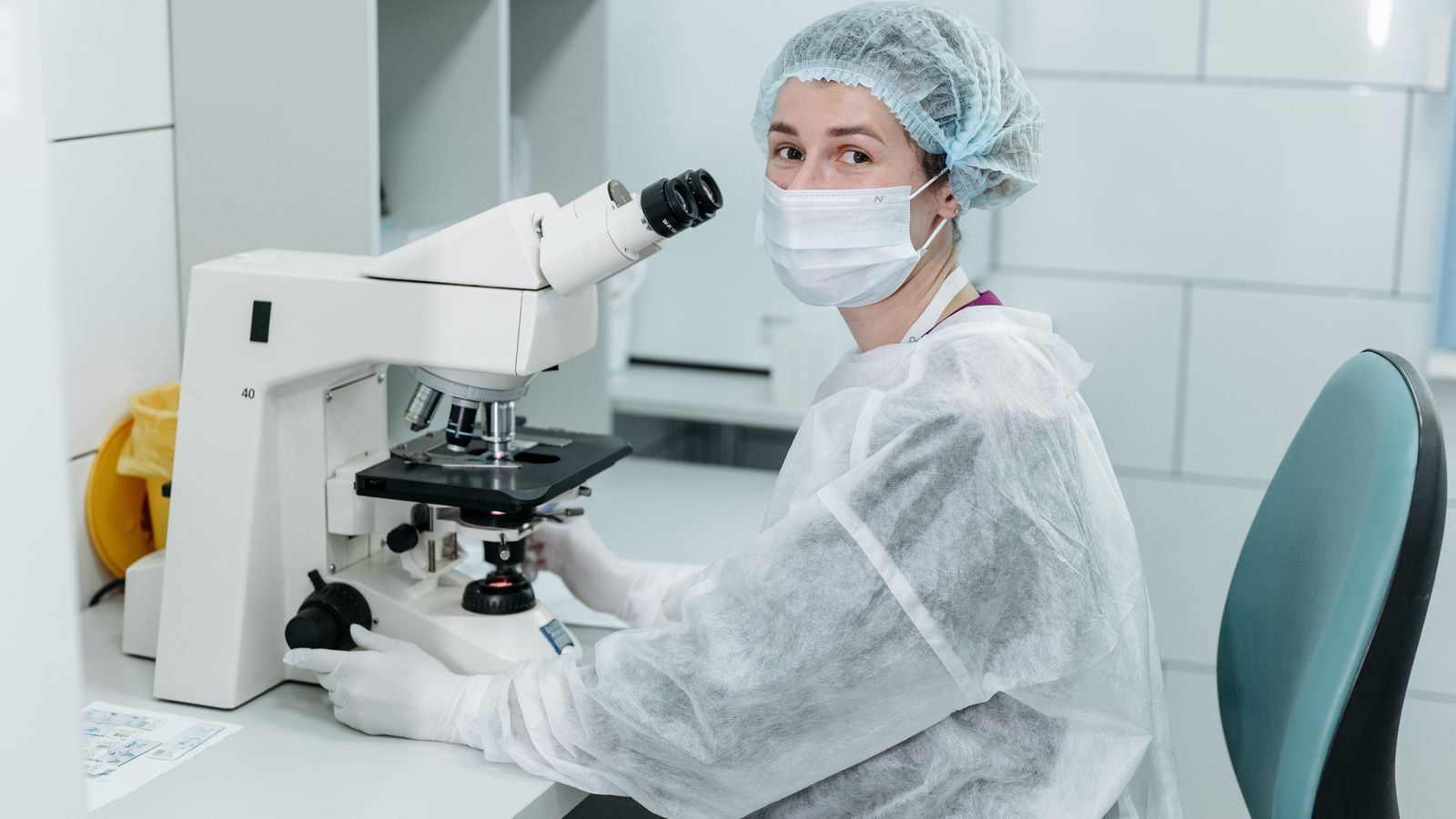
The advancements in infertility treatments today open new doors of hope for couples dreaming of having a child. One of these innovative approaches is known as Frozen Embryo Transfer (FET). Becoming an integral part of IVF treatment, FET offers the possibility to securely preserve future chances of pregnancy. As Ankara IVF Center, led by Prof. Dr. Kubilay Vicdan, we offer our couples the most up-to-date and personalized treatment approaches. In this article, we will delve into the frozen embryo transfer process, its advantages, and success rates in detail.
What is FET?
Frozen Embryo Transfer (FET) is the process of transferring embryos, obtained from a previous in vitro fertilization (IVF) or intracytoplasmic sperm injection (ICSI) cycle and preserved by special freezing methods, into the woman's uterus. This procedure is typically performed when a fresh transfer is not feasible, or to preserve high-quality embryos remaining after a fresh transfer for future use.
The process of embryo freezing has become an indispensable stage in modern IVF treatments. Particularly with the rapid freezing technique called "vitrification," the viability rates of embryos have significantly increased. Vitrification rapidly freezes embryos, preventing intracellular ice crystal formation and thereby minimizing the risk of damage to the embryos. As a result, frozen embryo transfers can achieve high success rates.
FET, on one hand, offers couples the opportunity for multiple transfer attempts, while on the other hand, it eliminates the potential risks of fresh transfer (e.g., the risk of ovarian hyperstimulation syndrome - OHSS). This flexibility and safety make FET one of the most valuable components of today's IVF treatment.
Preparation protocols
Before a frozen embryo transfer, a careful preparation process is undertaken to make the uterus as receptive as possible to the embryo. This preparation aims to thicken the woman's uterine lining (endometrium) and create a suitable environment for embryo implantation. Preparation protocols are tailored to each woman's hormonal status and general health conditions and are meticulously managed by experienced specialists such as Prof. Dr. Kubilay Vicdan.
Generally, there are two main preparation protocols:
Natural Cycle FET
- This protocol follows the woman's own natural menstrual cycle.
- Ovulation is closely monitored with ultrasound and blood tests.
- The frozen embryo transfer is performed on the appropriate day, determined when the uterine lining naturally reaches sufficient thickness and ovulation occurs.
- This method aims to provide a more physiological environment by utilizing the body's natural hormonal balance.
Hormone-Supported Cycle FET
- This protocol involves controlling the woman's menstrual cycle with externally administered hormone medications.
- The uterine lining is usually thickened with estrogen supplementation. During this process, the thickness and structure of the uterine lining are regularly monitored by ultrasonography.
- Once the uterine lining reaches the appropriate thickness, progesterone hormone is added to prepare the uterus to accept the embryo.
- After a certain period following the start of progesterone supplementation, the previously frozen embryos are thawed and transferred.
- This method may be more suitable for women with irregular periods or those whose natural cycles cannot be easily monitored.
In both protocols, the goal is to maximize the uterus's chance of accepting the embryo. Prof. Dr. Kubilay Vicdan and his team assess each patient's individual needs to determine the most suitable protocol and provide close monitoring throughout the entire process. This detailed preparation is critically important for the success of frozen embryo transfer.
Advantages over fresh transfer
Frozen Embryo Transfer (FET) has become an increasingly preferred method in modern IVF treatments. Thanks to the significant advantages it offers compared to fresh embryo transfer, it increases the chances of pregnancy while making the treatment process safer and more flexible. As Ankara IVF Center, we explain these advantages in detail to our couples and incorporate them into our personalized treatment plans.
The main advantages of FET over fresh transfer are:
- Increased Uterine Lining Receptivity: In fresh IVF cycles, the high-dose hormones used to stimulate the ovaries can negatively affect the uterine lining's (endometrium) ability to accept the embryo. In FET, the uterus is prepared in a more natural and physiological environment, free from the effects of ovarian stimulation. This can increase the chance of embryo implantation.
- Reduced Risk of Ovarian Hyperstimulation Syndrome (OHSS): In fresh transfers, there is a risk of OHSS, especially in women who develop a large number of eggs. FET allows embryos to be frozen and transferred later, completely eliminating this risk for patients with a high risk of OHSS by postponing the fresh transfer. This is a significant advantage for the patient's health and comfort.
- Timing Flexibility: FET offers significant flexibility in terms of treatment timing. For example, if a patient's general health condition deteriorates after egg retrieval, if the uterine lining is not suitable for transfer, or if Preimplantation Genetic Testing (PGT) results are awaited, embryos can be frozen and transferred at an appropriate time. This flexibility allows couples to plan their treatment processes better.
- Opportunity for Single Embryo Transfer (SET): The availability of high-quality frozen embryos facilitates the implementation of a single embryo transfer (SET) policy. This reduces the risk of multiple pregnancies, offering a safer pregnancy process for both mother and baby.
- Increased Cumulative Pregnancy Rates: When multiple high-quality embryos are obtained in an IVF cycle, the remaining embryos after a fresh transfer are frozen. These frozen embryos can be used if the first attempt fails or for a second pregnancy in the future. This significantly increases the total chance of pregnancy (cumulative pregnancy rate) obtained from a single ovarian stimulation cycle.
- Less Stress and More Comfort: An FET cycle is generally less invasive and may require fewer medications compared to a fresh transfer. This makes the treatment process less stressful and more comfortable for the patient.
All these advantages have made frozen embryo transfer an indispensable part of modern IVF treatment. As Ankara IVF Center, with over 30 years of experience under the leadership of Prof. Dr. Kubilay Vicdan, we are proud to offer our couples the most suitable and successful FET protocols.
Success rates
Frozen Embryo Transfer (FET) is a promising method that has achieved very high success rates in today's IVF treatments. Thanks to advanced freezing techniques such as vitrification, the viability rates of thawed embryos and, consequently, pregnancy chances have significantly increased. As Prof. Dr. Kubilay Vicdan and Ankara IVF Center, we adopt personalized treatment approaches aiming for the highest success for each of our patients.
FET success rates can vary depending on several factors. These factors include:
- Woman's Age: The woman's age, which is directly related to ovarian reserve and egg quality, is one of the most important factors affecting embryo quality and thus the chance of pregnancy. Success rates are generally higher in younger age groups.
- Embryo Quality: The quality of frozen embryos directly affects their viability after thawing and their potential to implant in the uterus. Success rates are higher with transfers involving high-quality (blastocyst stage) embryos. Embryo quality is meticulously evaluated throughout the IVF process.
- Uterine Lining Condition (Endometrial Receptivity): The thickness and structure of the uterine lining before transfer are critically important for the embryo to implant in the uterus. Preparation protocols aim to optimize the uterus.
- Clinic and Laboratory Experience: The experience of the IVF center and embryology laboratory performing embryo freezing, thawing, and transfer procedures, the technology used, and the skill of the expert team directly affect success rates. Ankara IVF Center's experienced team, led by Prof. Dr. Kubilay Vicdan, applies the highest standards in these processes.
- Number of Embryos Transferred: Although single embryo transfer (SET) is generally preferred to reduce the risk of multiple pregnancies, in some cases, more than one embryo may be transferred based on the doctor's decision. However, while this increases the success rate, it also carries the risk of multiple pregnancies.
In general, pregnancy rates in modern FET applications can be equivalent to, or even higher than, fresh transfer rates in some studies. The main reason for this is that the potential negative effects of ovarian stimulation on the uterine lining in fresh transfers are eliminated in FET, and the uterus can be prepared in a more natural environment. Although it is not possible to speak of "definite" or "guaranteed" success, frozen embryo transfer offers couples a strong and realistic hope on their journey to parenthood.
It should be remembered that each case is unique, and individual success rates can vary from person to person. Therefore, the most accurate information about treatment planning and success expectations can be obtained through a detailed consultation with a specialist physician in the field, such as Prof. Dr. Kubilay Vicdan.
Frozen Embryo Transfer (FET) is a modern and effective method that shapes the future of IVF treatment. Thanks to its advantages, it offers couples a safer, more flexible, and higher chance of success. As Ankara IVF Center, under the leadership of Prof. Dr. Kubilay Vicdan, with over 30 years of experience, we offer the most current and personalized treatment approaches to help every couple achieve their dreams. If you would like to learn more about frozen embryo transfer or evaluate your personal situation on your journey to parenthood, please contact our expert team. Are you ready to take the first step towards a hopeful future?
For detailed information and a free preliminary consultation, contact us now.